When the Estimate Is the Job
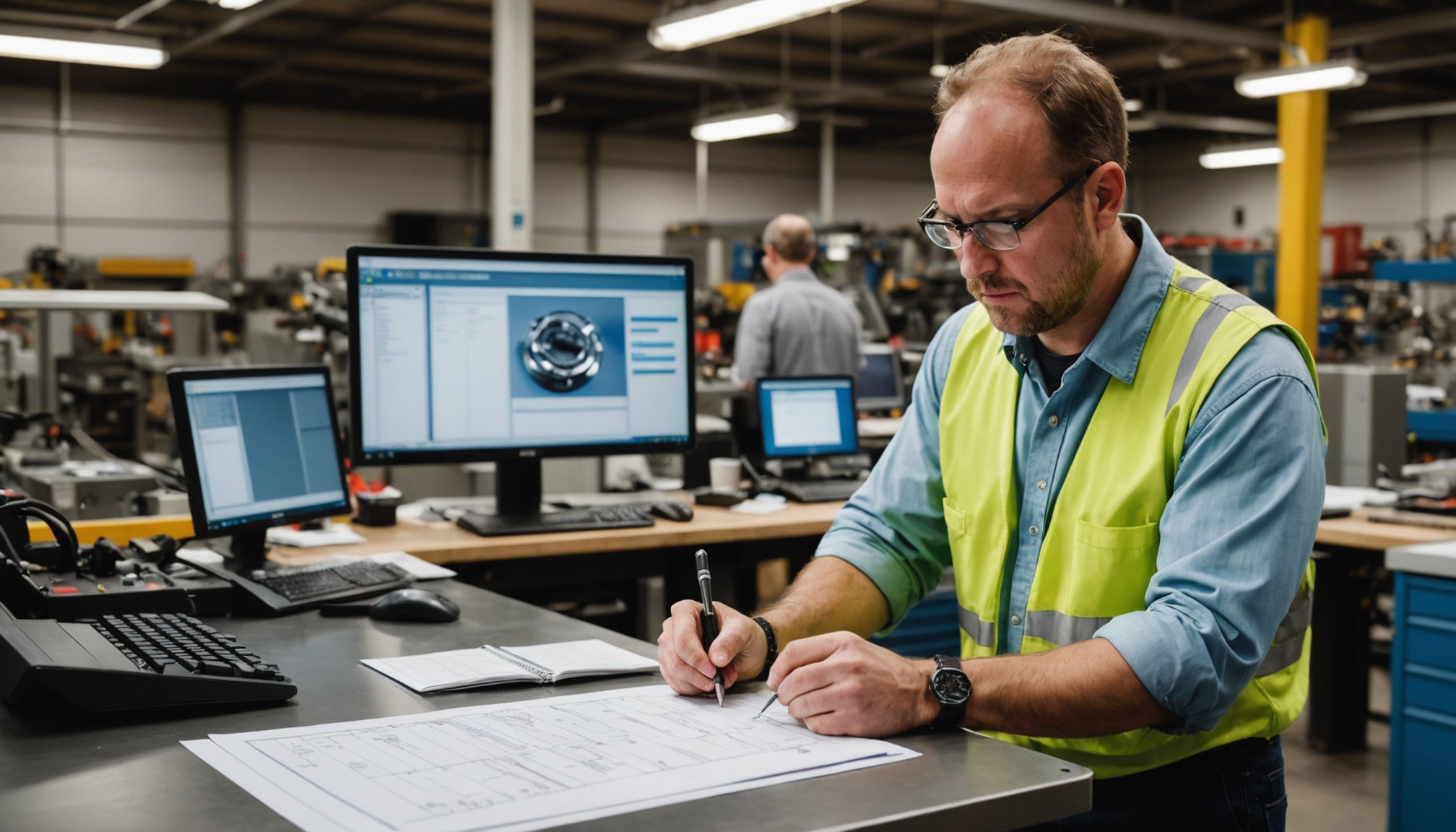
In custom fabrication, an estimate often becomes the starting point for the work that follows. Depending on the shop, it may include material quantities, purchased components, labor, and other job costs. If the quote is accepted, that information needs to carry into purchasing and job planning without losing the detail the team relies on. The important question is how well the ERP supports that transition from the original estimate to the work being managed.
Any ERP being evaluated for this environment has to handle that sequence. The question most fabricators reach quickly is not whether a system has quoting or BOM features. It is whether those features work the way the shop actually works, and what it will cost to close the gap if they do not.
Where the Uncertainty Comes From
The concern is a practical one. A fabrication shop’s estimating workflow tends to be more structured than a standard sales quote and more detailed than a typical manufacturing work order. A single job can involve hundreds of line items across multiple BOM levels, with parent-child relationships between assemblies and sub-assemblies. The estimate may include a summarized material view for purchasing alongside a detailed breakdown for costing. Labor may be calculated differently depending on whether the work is welding, machining, or design engineering.
The estimator who builds the BOM and sends out requests for material and hardware pricing, and the project manager who plans phases and purchases once a purchase order arrives, both depend on the same underlying structure being reliable. When a shop evaluates a new ERP, the honest question is: how much of that structure does the system support through configuration, and how much would require development work that goes beyond configuration? The distinction matters because configuration is included in the system, while development work carries its own cost, timeline, and long-term maintenance obligation. A shop that has already been through an implementation where customization costs only became clear after the contract was signed has particular reason to insist on that clarity upfront.
The difficulty is that the answer is not always visible from a standard product demonstration, which is designed to show what the system does well rather than where a specific workflow would require additional work.
What Is at Stake in Getting This Wrong
The financial risk is straightforward. If a shop begins implementation and discovers mid-project that its estimating workflow requires significant development, the budget conversation changes. What was presented as a fixed implementation cost may expand. The timeline extends. Internal staff who were pulled into the project have to stay engaged longer. In a worst case, the shop reaches a point where it has spent money on a system it cannot use as intended, which is a position no one wants to be in twice.
There is also an operational risk. A fabrication shop’s estimating process is not a peripheral function. It drives purchasing decisions, labor planning, and job profitability. If the new system cannot support that process reliably, the shop may keep a side workaround or lose some job-cost detail. Neither outcome justifies the investment in a new ERP.
The goal of the evaluation phase is to surface these risks before they become costs, not after.
The Right Question to Ask Before Committing
The most useful thing a fabrication shop can do before selecting an ERP is to separate three categories of work: what the system handles through standard configuration, what requires configuration beyond the defaults, and what would require development outside the standard product. The first category is included. The second is a matter of setup time and implementation effort. The third is where budget surprises live.
A structured workflow walkthrough, where the shop’s actual estimating and BOM process is mapped against the system’s documented configurable areas, is the practical way to make that separation. It is more useful than a feature checklist and more honest than a general demonstration. The output should be a clear picture of where the system fits, where it needs to be configured, and where genuine gaps exist. Before committing, a buyer should ask the vendor to itemize any gaps and provide a cost estimate for each, so that number is known before implementation begins rather than after.
What Versa Covers Through Configuration
Versa is an established cloud ERP with documented configurable areas that are relevant to a custom-fabrication quoting and BOM workflow. Understanding what those areas cover is a reasonable starting point for an evaluation.
On the quoting side, Versa’s quote settings support cost and markup or margin display for price calculation, quote validity periods, CSV upload for lengthy quotes, and the ability to carry delivery dates and comments through to a sales order when a quote converts. Quotes can be linked to projects, which supports the connection between an estimate and the downstream job. These are configuration choices, not development work.
For bills of material, Versa’s BOM settings allow users to manage access to the BOM feature, assign dimensions, and add new units of inventory to stock. Custom fields can be added to invoices, sales orders, bills, supplier records, and product pages. Custom forms are available for business-specific document requirements. These tools extend the standard record structure without requiring development.
Labor and time cost tracking settings allow businesses to assign time to specific projects or tasks and calculate associated costs. How closely all of these capabilities match the specific sequence a fabrication shop uses, including the relationship between the detailed BOM and the summarized material view for purchasing, the estimate-to-job-file transition, and the breakdown of a job into manageable phases, is worth confirming through a mapped walkthrough against a representative example.
The same transparency that surfaces gaps before commitment also supports ongoing flexibility: once the configurable boundaries are understood, process changes that stay within those boundaries can be handled without triggering new development costs. Any gaps identified in the walkthrough should be scoped and priced before a commitment is made.
What the Evaluation Clarifies for Each Person Involved
Consider a fabrication estimator preparing a quote for a structural assembly. The estimator builds a bill of materials from a drawing set, with raw steel sections at one level and hardware at another, then sends out requests for pricing on both. The system needs to support the detailed view that drives labor and cost calculations alongside a summarized view that groups identical materials for purchasing. When the job is won, the estimate converts to a job file. The project manager takes over, breaks the work into phases, and tracks purchasing and labor against each phase. That handoff, from a locked estimate to a live job record with its own phases, is one of the concrete transitions a walkthrough should test against Versa’s configured capabilities.
After a structured walkthrough, the estimator knows which parts of the quote and BOM structure are handled through standard setup. The project manager knows which phase-level tracking questions still need a scoping discussion before implementation begins. Each person leaves with a clearer picture of what they are buying, rather than discovering gaps after the contract is signed.
See This Workflow with Versa
If your shop is evaluating whether Versa’s quoting and BOM configuration covers your estimating workflow, the most direct next step is a focused walkthrough using a representative quote and its bill of material. That walkthrough will show where standard configuration applies, where setup choices are involved, and where a more detailed scoping conversation is warranted, without requiring any preparation on your part beforehand.
Request a Versa workflow walkthrough to map your quoting and BOM process against the system’s configured capabilities before making an implementation decision.
If you prefer to explore the topic before speaking with sales, the Versa AI Advisor can answer questions about this workflow at your own pace. It is an educational starting point, not a sales conversation.
Request a Versa workflow walkthrough to map your quoting and BOM process against the system's configured capabilities before making an implementation decision.