


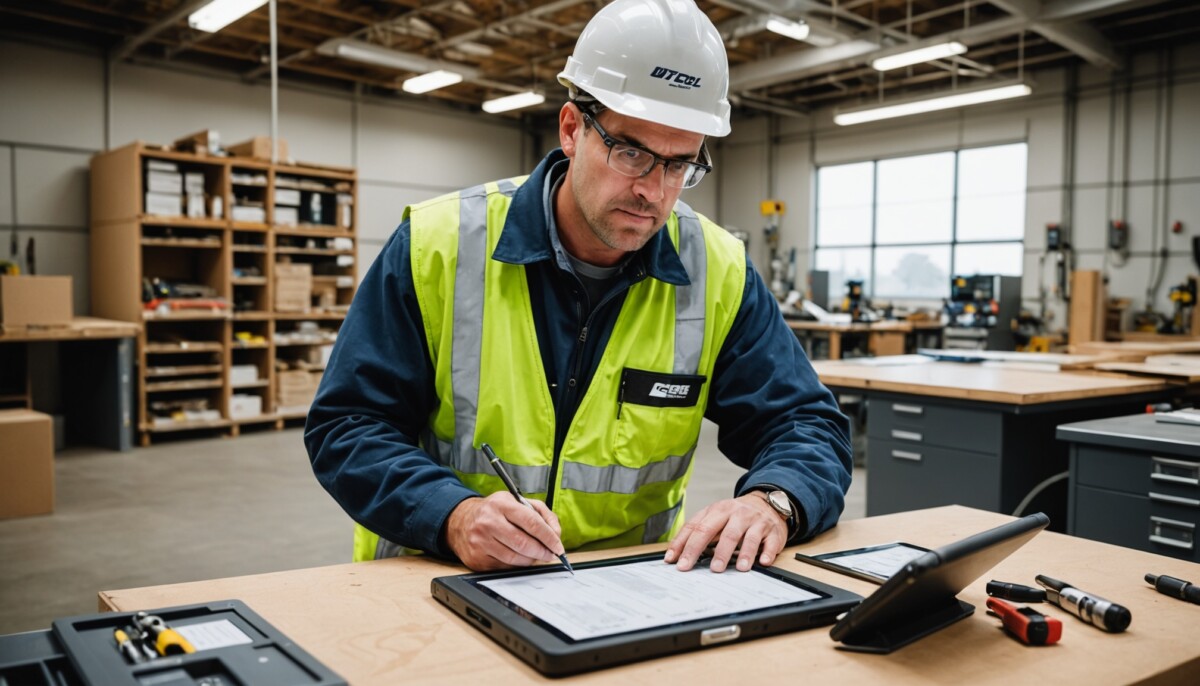

A quote goes out, and the job begins
Picture a small installation company that sells jobs at a price set before any work starts. Someone visits the site, prices the job and gives the customer a single figure. A project is opened in the accounting software. A few days later a technician walks through the warehouse, loads panels, mounting hardware and cabling into a van, and notes what was taken in a shared spreadsheet.
The job gets done. The customer is invoiced the quoted amount, and everyone moves on to the next site.
The cost picture is split across separate tools
Now follow the cost of that one job. Payroll sits in the accounting system, and someone has to assign the right hours to the right project. Fuel, lodging and parts bought during the job arrive through an expense app, and each receipt has to be tagged to the job before it is approved and pushed across. Materials sit in the spreadsheet as quantities taken out, without the cost carried through to the project. Supplier bills arrive in the accounting system, and whether each bill matches what actually arrived at the warehouse may be unclear.
None of this is careless. Each tool does its own job well enough. But the question a manager actually wants answered, what did this job cost and what was left over, requires someone to gather three systems and four kinds of cost, line them up by project and add them by hand. The materials piece is usually the last and hardest to assemble, because it depends on converting a warehouse log into cost of goods sold.
Why it matters to the people running the business
When a job is quoted at a fixed price and the real cost is only pieced together afterward, the business may not learn which kinds of jobs earn their margin until well after the next ones are priced. Estimators may lean on instinct rather than actual history. A person with finance knowledge may spend recurring hours on assembly rather than analysis, and the numbers they produce depend on every tag and entry having been made correctly along the way.
There is also a management attention cost. When a result takes effort to produce, it tends to be produced less often. Decisions about pricing, staffing and which work to pursue can end up leaning on the most recent job someone remembers.
What a better setup needs to do
The useful test is not whether all data can eventually be gathered. It is whether the project connection is made once, at the moment each transaction is entered, so that nobody reassembles it later. A better process should let the business answer a few plain questions. Is each quote, order and invoice tied to a project? Do labor and expenses land on that same project when they are recorded? When materials leave the warehouse for a job, can their cost be traced to that job? And is it clear who enters what, and where the accounting system fits?
Those criteria also surface a decision worth making deliberately. If the company intends to keep its current accounting system for now, the evaluation should include how the two systems exchange information and who is responsible at each handoff. Switching or adding systems takes real effort, and the right scope depends on how the business runs today.
How Versa approaches project costing
Versa is an established cloud ERP that is configured to a company’s workflows. Its project capability works through transactions. Project revenue and estimates are shown based on project dimensions assigned to quote items, order items and invoice items. Labor and time cost tracking lets employees’ time be assigned to specific projects. Expenses can be linked to projects as well, with spending organized by category so approved items post to the intended general ledger account.
The practical result is that the project view is built from day-to-day entries rather than from a separate consolidation exercise. A manager looking at a job can see revenue alongside labor and expenses, because each was recorded against the same project as it happened.
Recording materials issued for a job against the project is the piece worth examining closely, and it is the natural centre of a demonstration. That is where the warehouse side of the business meets the project result, and where the buyer’s accounting arrangement matters most.
It is worth being plain about how this works. It depends on transactions being entered with the project attached, by the people who handle them: whoever prepares the quote, the technician or warehouse team who issues materials, and whoever approves expenses. It does not sense a job on its own. How Versa fits alongside an existing accounting system, and which side handles which entry, is the kind of question to settle early in an evaluation.
The same job, a different working day
Return to the installer. The quote is created with the project attached. When the technician takes panels and hardware from the warehouse, the issue is recorded against that project. Payroll hours and receipts for fuel and lodging are assigned to the same job as they are approved. When the work is complete, the owner does not open several tools and a calculator. They look at one project and see what came in and what went out, and can compare it with the quoted price.
What changes is the timing and the effort: the cost picture builds as the job progresses, and the next quote can lean on what similar jobs actually cost. This is an illustration of the approach, not a customer story.
See this workflow with Versa
If you are weighing how project costing, inventory issues and an existing accounting system should connect, the most useful next step is to watch the workflow. Request a Versa demonstration and we will walk through a representative project, from the quote through materials issued, labor and expenses, to the resulting project view. The session clarifies who enters what at each step and where the accounting system fits. No preparation is needed.
If you would rather explore first, you can Explore this topic with Versa AI Advisor. You can ask about the workflow there before deciding whether to speak with sales.
Request a Versa demonstration of project costing, from quote through materials, labor and expenses.